What to do: Rescued or Found an Animal

STEP ONE: If you’ve found an animal, call Animal Control Dispatch! While awaiting their arrival, keep the animal safe and secure to avoid possible future injuries.
Step Two: is to look for a microchip to return found animal to owner. Reuniting Pet and Parent is always a top priority.
Additional Resources (when Animal Control is unavailable)
- Most veterinary clinics have universal microchip scanners and will scan pets at no cost
- Many nonprofit rescue organizations also have scanners and are often willing to meet you for assistance
- Post on lost found websites and on SOCIAL MEDIAS such as Nextdoor Neighborhood and Facebook (there are many local rescue groups that will gladly share the information, be sure to seek out several using the search bar on Facebook – make sure the group is local to you).
What to do: Lost a Pet
Search your immediate area thoroughly
- Check under porches, bushes, sheds, garages
- Cats especially hide silently nearby
- Call their name calmly (don’t chase—this can scare them further)
- Bring treats, toys, or food they recognize
- Ask neighbors right away (many pets are found within a few houses)
Post on:
- Facebook local groups
- Nextdoor
- Lost & Found pet pages in your area

Create a clear flyer and post it in your neighborhood area
- Large photo
- BIG “LOST” headline
- Description + last seen location
- Phone number (easy to read from a distance)
- Intersections
- Vet clinics
- Grocery stores
- Gas stations
Call and visit:
- Animal Control
- Local shelters & rescues
- Veterinary clinics
File a lost pet report If your pet is microchipped:
- Contact the chip company and mark them missing

Leave out:
- Their bed, blanket, or your worn clothing (scent helps)
- Food/water (monitor so it doesn’t attract wildlife)
- Used litter box, they will recognize their own scent
For cats or shy dogs:
- Consider a humane trap
- Use a camera if possible to confirm sightings
I FOUND KITTENS/PUPPIES
Finding newborn kittens or puppies is urgent—but what you should do depends on a few key details. The biggest mistake people make is removing them too quickly, so let’s walk through it carefully.
🐾 First: Are they kittens or puppies?
- Kittens are very commonly left temporarily by their mother while she hunts.
- Puppies are less likely to be left alone for long—mom is usually nearby or something may be wrong.
👀 Step 1: Observe before touching


5
- Watch from a distance for 2–4 hours
- Look for signs mom is returning:
- Babies are warm, quiet, and sleeping
- They look clean and plump
👉 If yes: Leave them alone (this is normal!)
🚨 Step 2: When to intervene immediately
Take action right away if:
- They are cold to the touch
- Crying nonstop or scattered
- Covered in fleas, maggots, or injuries
- Mom is confirmed deceased or hasn’t returned after several hours
🧤 Step 3: If they need help


Important: They cannot survive without help – 🆘 Get help ASAP
Newborns (eyes closed, umbilical cord present):
- Must be fed every 2–3 hours
- Need help to go to the bathroom (stimulated with a warm cloth)
Local animal rescues – Post for help on Facebook/Nextdoor
- A veterinarian
- Animal control (for puppies especially)
👉 Neonates are extremely fragile, so the sooner they get experienced care, the better their chances.
1. Warm them FIRST
- Use a towel + heating pad on LOW or warm water bottle
- Do NOT feed cold babies (can be fatal)
2. Do NOT give cow’s milk
- Use kitten or puppy formula only (KMR or puppy replacer)
- Position kitten belly-down (like nursing from mom) Never feed on their back (choking risk) Tilt bottle slightly—let them suck, don’t squeeze hard Feed slowly
Feeding schedule
- 0–1 week: every 2–3 hours (including overnight)
- 1–2 weeks: every 3 hours
- 2–3 weeks: every 4 hours
⚠️ Warning signs during feeding
Stop immediately if you see:
- Milk coming out of nose
- Coughing, choking, or bubbling
- Lethargy or refusal to eat
These can mean aspiration—they need a vet ASAP.
Step 3: Help them go potty
After every feeding:
- Use a warm, damp cotton ball or cloth
- Gently rub genital area until they pee/poop
👉 They cannot eliminate on their own yet
4. Keep them contained
- Small box with soft towels
- Quiet, warm, dark space
Medical Care Intervention

- We partner with Animal Control to provide Medical Care for injured, ill or orphaned homeless animals found in peril.
- Supporting foster placement and rehoming efforts for abandoned and at-risk cats
- Expanding access to low-cost spay/neuter services, including TNR to reduce overpopulation
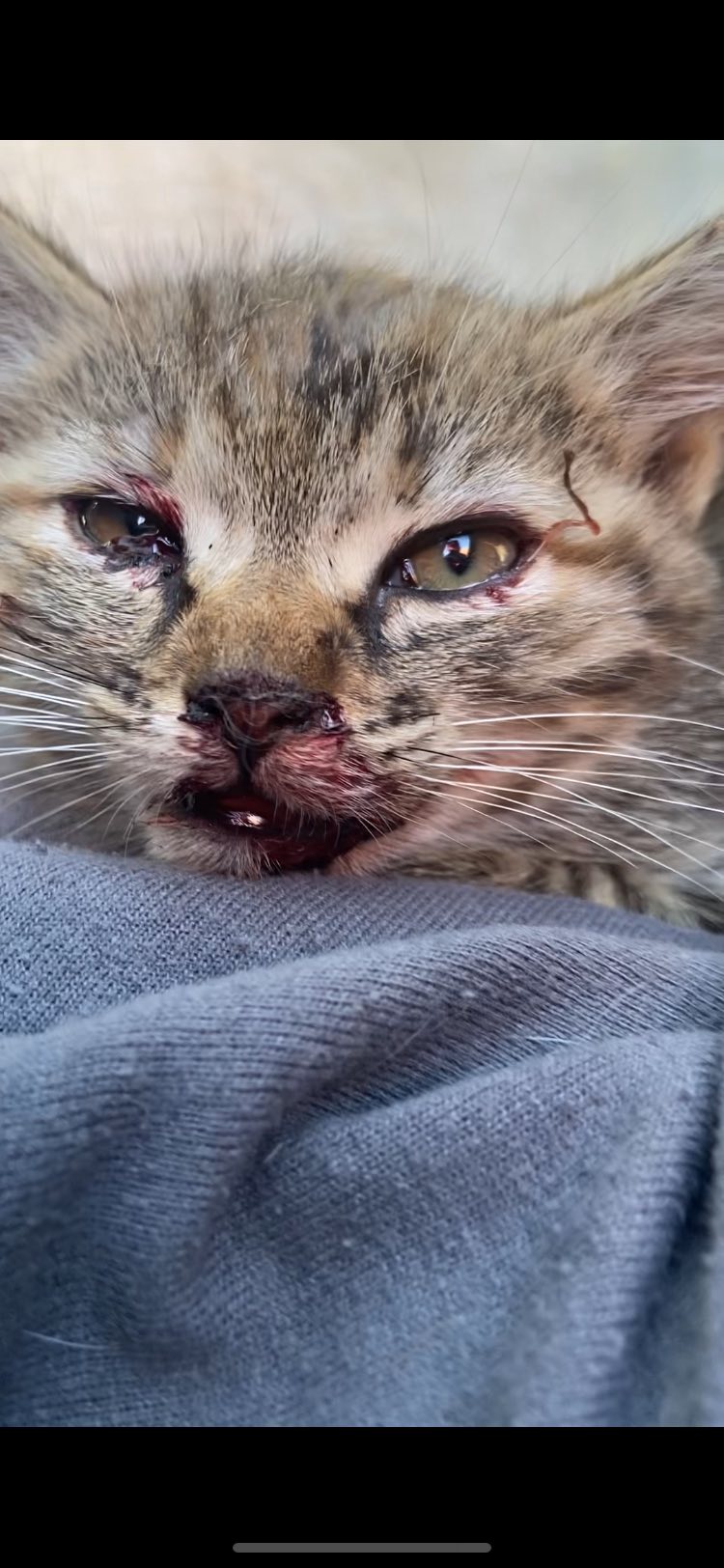
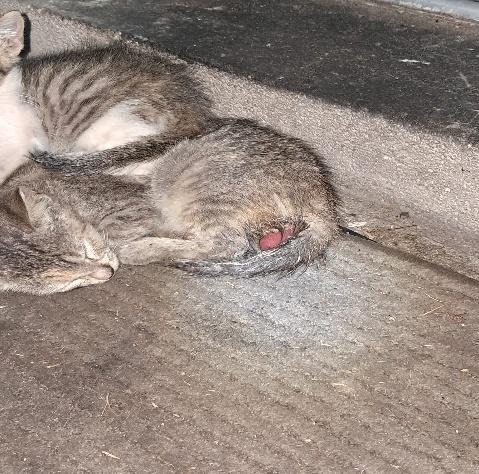
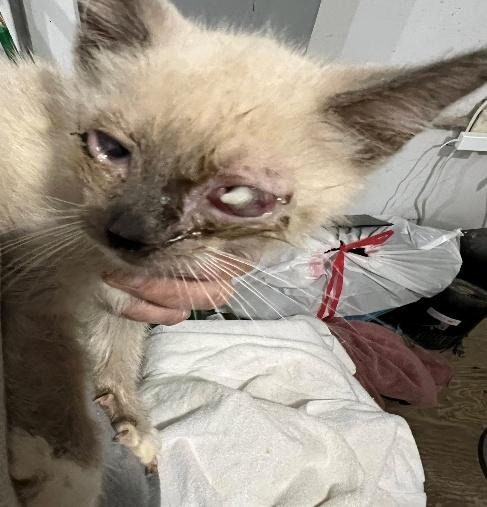
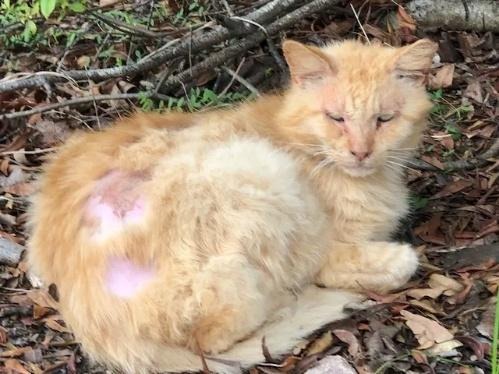
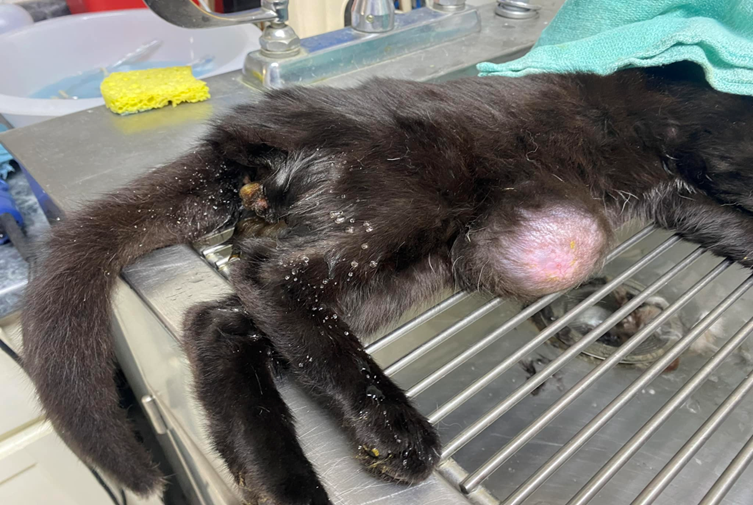
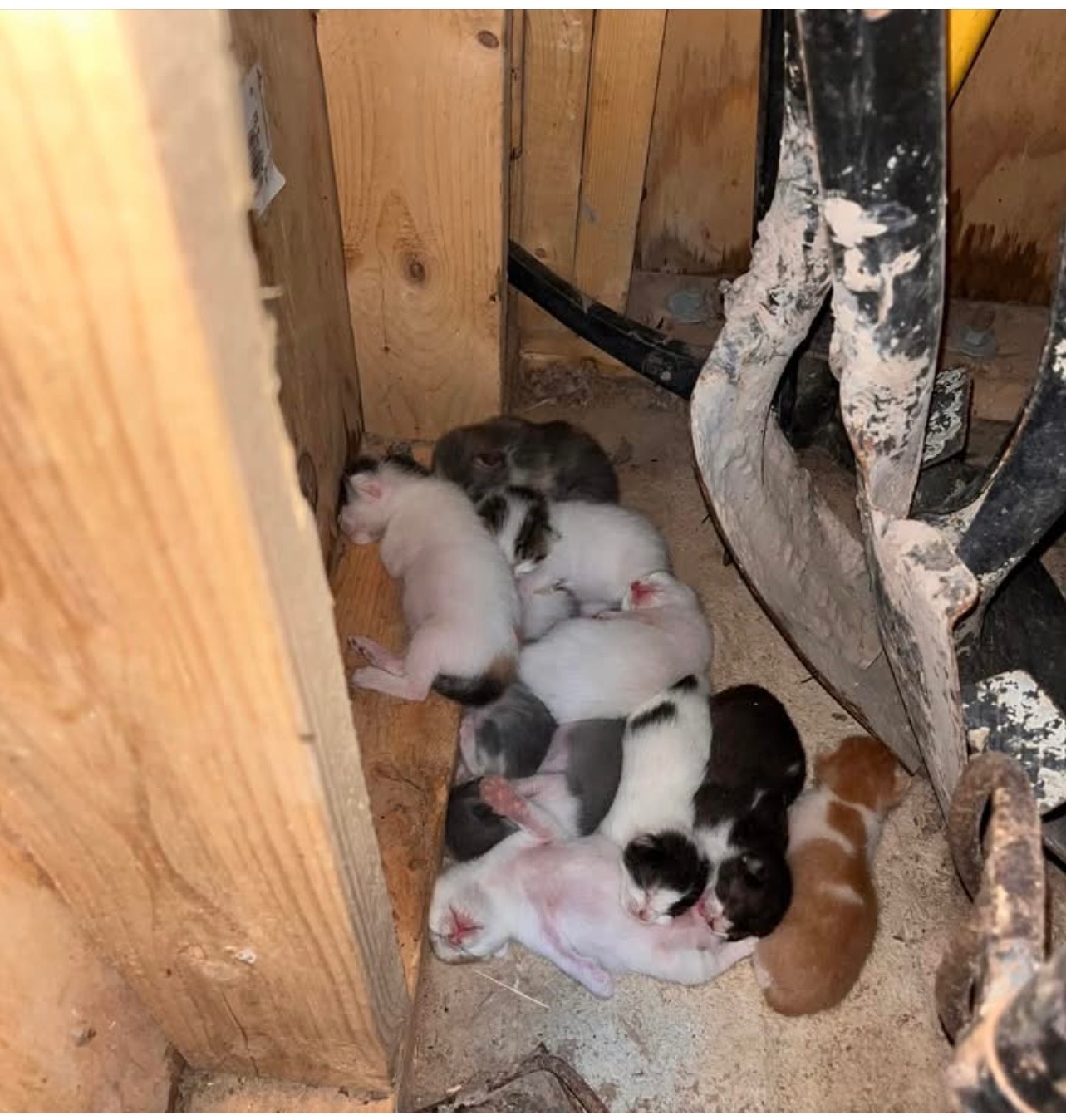
Unowned cats face significantly higher risks of injury and illness than owned pets due to exposure to wildlife, vehicle traffic, free-roaming dogs, human activity, and fighting with other cats. Our program provides access to medical care and treatment when needed and creates a pathway for community members and supporters to contribute through tax-deductible donations that directly fund these lifesaving interventions.
Transport Opportunities
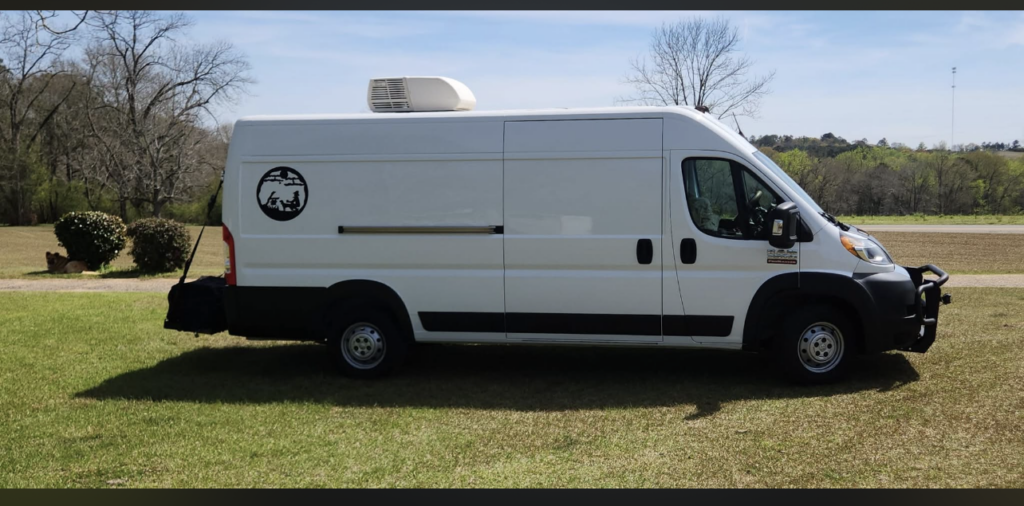
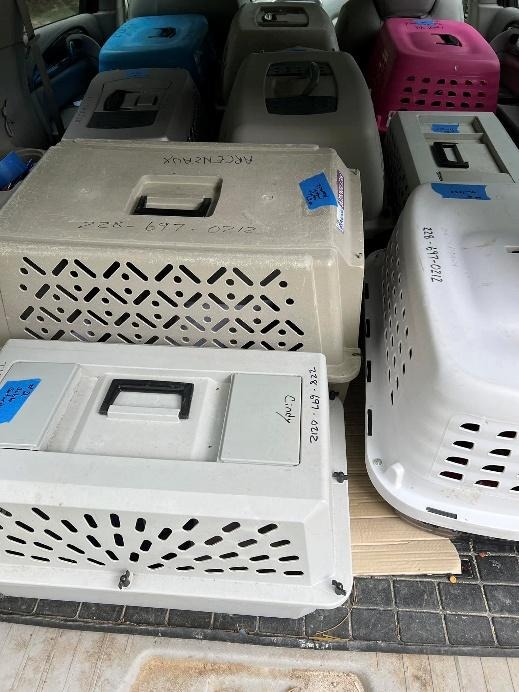
Animal Control brings us Friendly cats and kittens on occasion (usually Owner Surrenders or abandoned pets) that are often highly adoptable in regions where the demand for companion animals exceeds the local supply. Through an established network of trusted rescue partners, we coordinate transport opportunities to move adoptable animals to approved organizations and adopters.
These efforts help to:
- Place animals into permanent, loving homes more quickly
- Reduce the number of free-roaming cats in our local communities
- Decrease shelter intake and overcrowding along the coast
All transport placements are carefully coordinated to ensure animals are healthy, appropriately vetted, and matched with reputable partners committed to high standards of care.