In Field Training for Animal Welfare Professionals
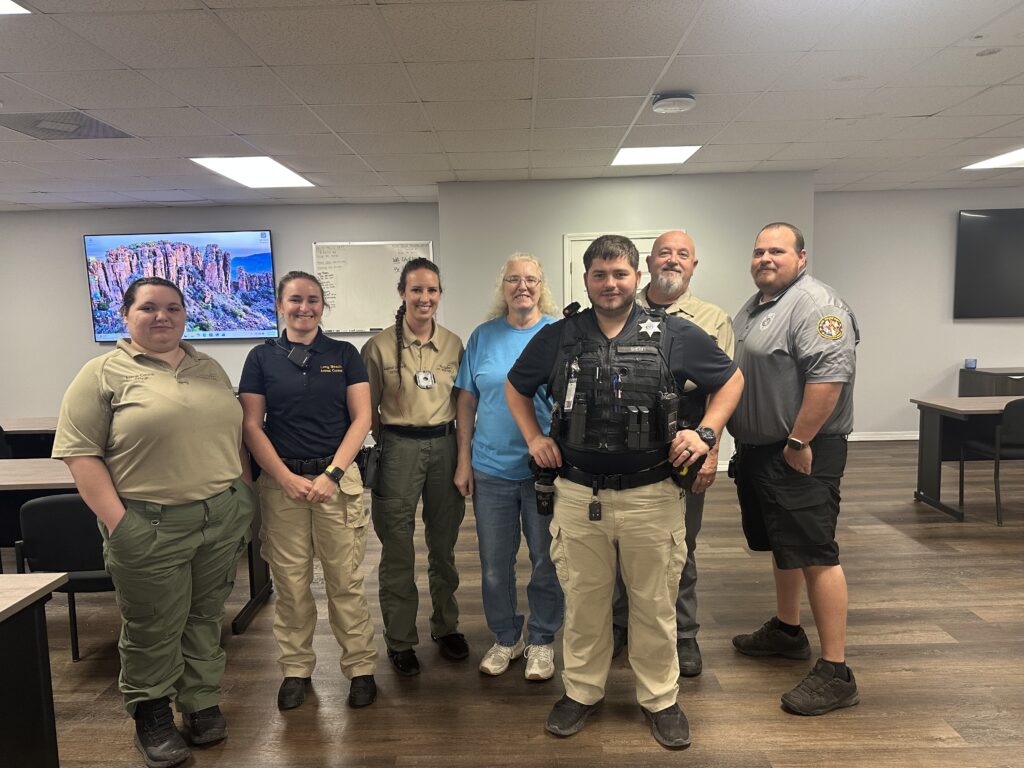
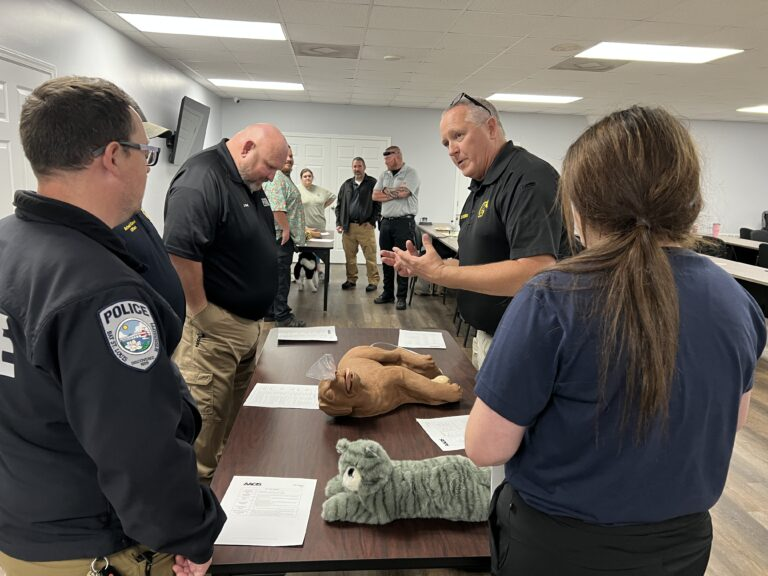
Fixin the Coast has provided hands on instruction through outside Professional organizations. Some of the courses included first aid for animals, sheltering before, during, and after a disaster, and chemical capture. Fixin The Coast had a nearby shelter director come and train on proper procedures on animal intake, facility sanitation and animal reunification processes to support the Animal Welfare Centers. Please visit our Online Tools section for additional information on self paced, free and paid training opportunities. Each of these organizations operate their own program – we are pleased to share the information with the public.
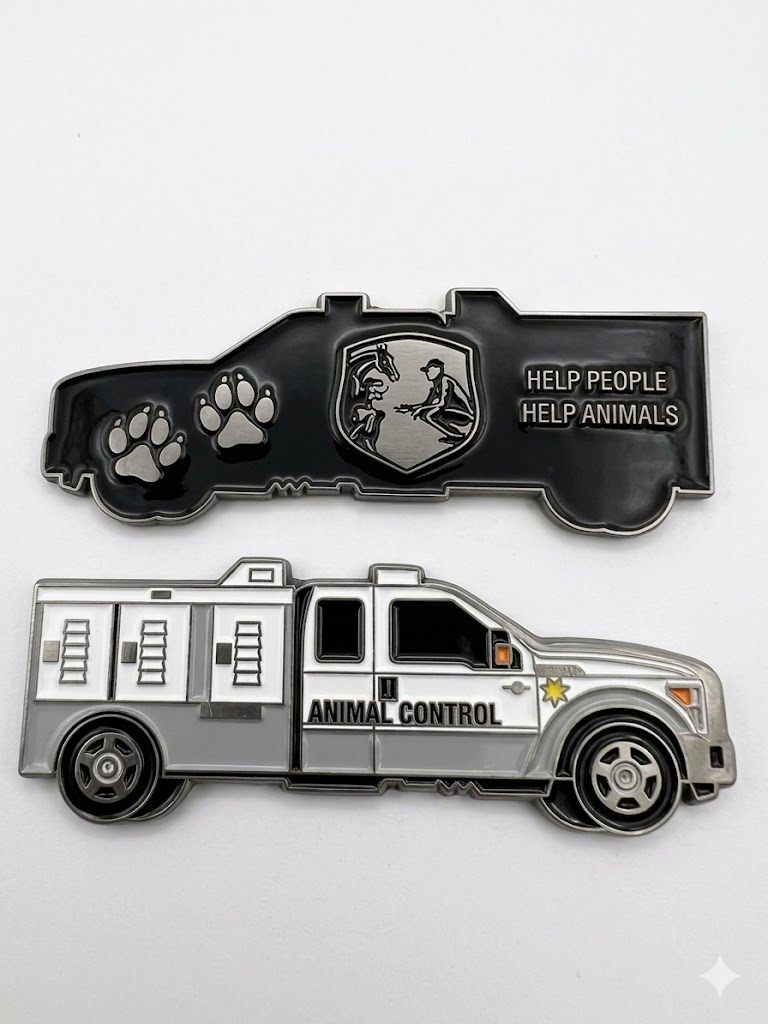
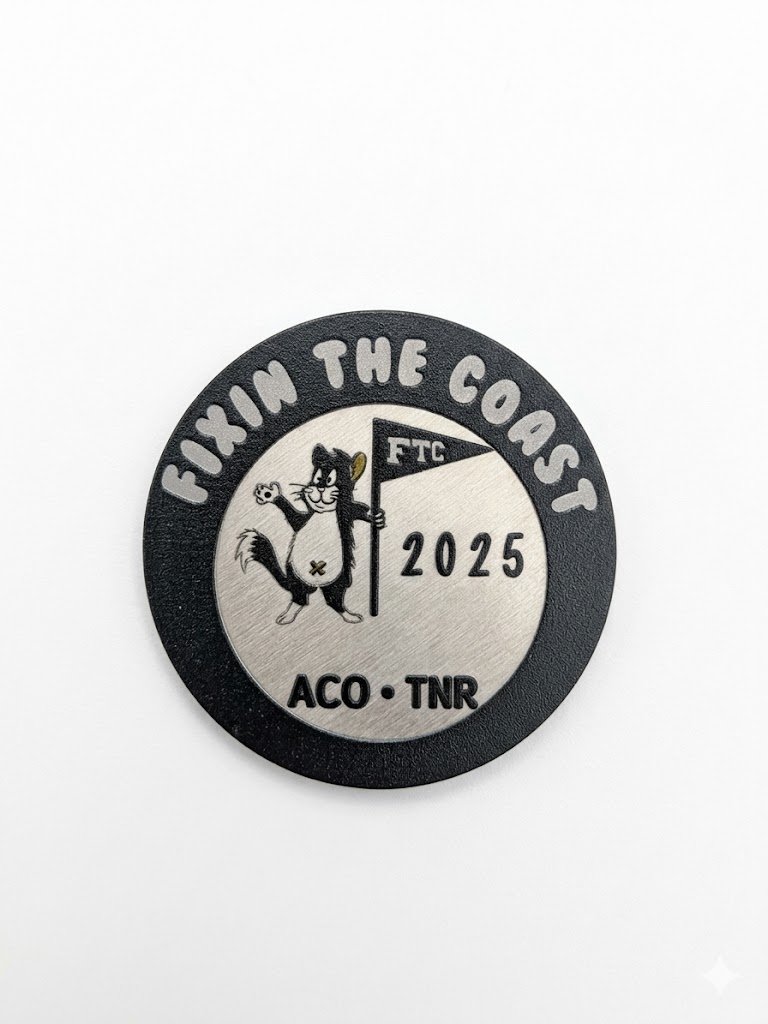
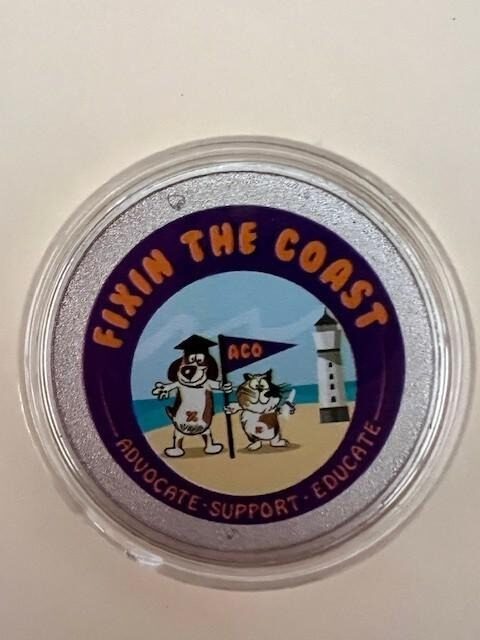
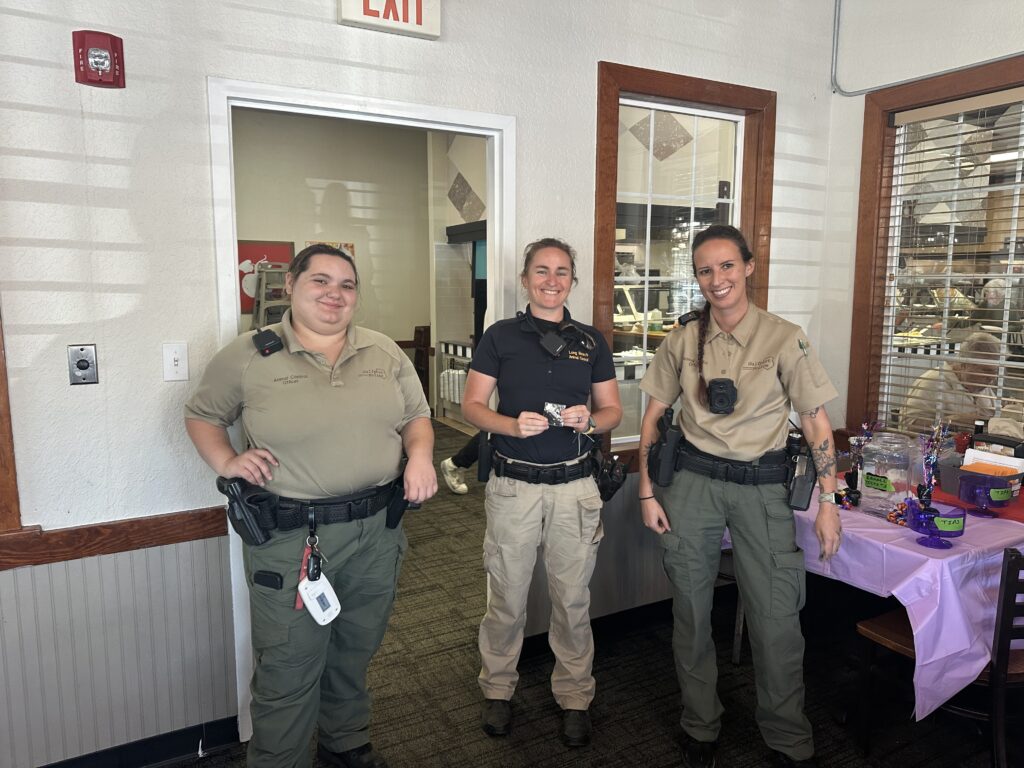
Animal Control Challenge Coin Initiative
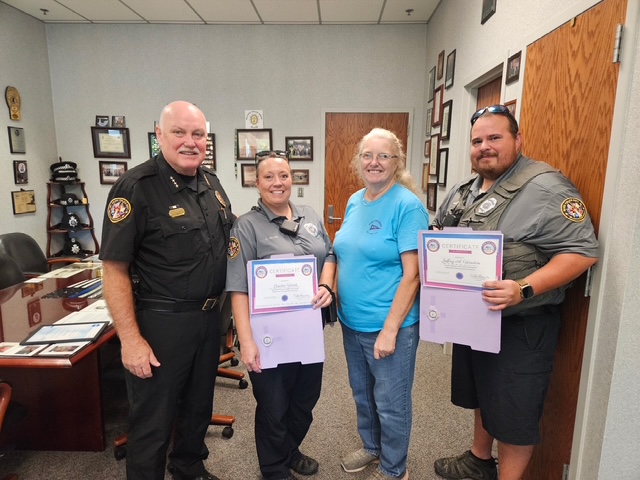
Fixin The Coast supports the advancement of Animal Control Officers by leveraging established online training programs to create clear, structured pathways for professional development. These programs are designed to enhance skills, promote consistency in best practices, and recognize measurable progress within the field.
Officers who meet defined benchmarks are awarded Challenge Coins in recognition of their achievement, dedication, and commitment to advancing animal welfare standards. The trainings are geared towards growing their own knowledge of animal care and handling of a variety of unique situations.
In Harrison County, Challenge Coins are awarded based on the following criteria:
- First and Second Coins: Earned through demonstrated participation and measurable impact in Trap–Neuter–Return (TNR) initiatives
- Third Coin: Awarded upon completion of advanced educational coursework and continued professional development
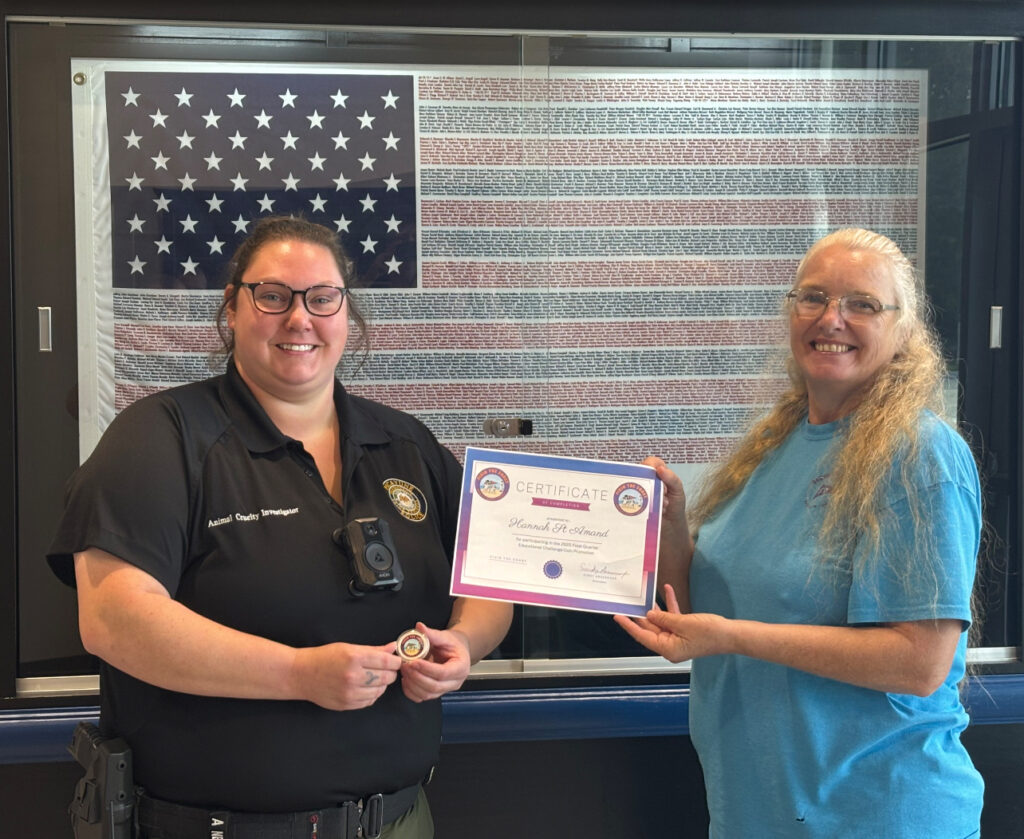
In areas where consistent veterinary access limits participation in TNR efforts, Fixin The Coast establishes customized achievement pathways. These alternative tracks ensure that all Animal Control Officers have equitable opportunities to meet performance and education standards and qualify for recognition. Through this structured approach, we aim to foster professional growth, encourage continued learning, and elevate the standards of animal welfare services across the communities we serve